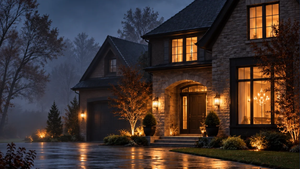
Drive south on Barton Hills Drive and the neighborhood's defining feature becomes obvious fast — the Barton Creek Greenbelt runs along much of the western edge, putting hiking trails and swimming holes within walking distance of homes that, from the street, look like an ordinary mid-century South Austin neighborhood. Barton Hills offers much of what draws buyers to Zilker's park-front lifestyle, without Zilker's twice-a-year ACL Festival disruption.
Barton Hills sits within 78704, bordered roughly by Barton Skyway, Loop 360, and the Barton Creek Greenbelt itself — just southwest of Zilker and South Lamar. The Dillar Group tells buyers upfront: this is one of the quieter greenbelt-adjacent options in central Austin, and it's worth comparing directly against Zilker for buyers weighing both.
What You're Buying Into
Homes in Barton Hills typically run from the $700K range for a smaller original ranch home up past $1.6M for fully renovated or new-construction homes on the most desirable streets closest to the greenbelt. Lot sizes run larger than many central Austin neighborhoods — many original lots sit at a quarter acre or more, reflecting the neighborhood's 1950s–1960s suburban-style platting.
The dominant home style is 1950s–1960s ranch construction, with a steady wave of renovations and additions as buyers update these mid-century homes for modern living. Barton Hills falls inside Austin ISD, zoned to Barton Hills Elementary, O. Henry or Fulmore Middle School depending on the specific address, and Austin or Travis High School.
Drive time to downtown Austin runs about 10 minutes; the Domain sits closer to 25–30 minutes north. Three things buyers actually use nearby: direct Barton Creek Greenbelt trail access from several streets, Barton Hills Elementary's neighborhood playground, and the South Lamar retail and restaurant corridor a short drive away.
Who Barton Hills Is Right For — and Who It Isn't
Barton Hills makes the most sense for buyers who want genuine greenbelt access and larger mid-century lots, without the festival-season disruption that comes with living directly adjacent to Zilker Park. It's a particularly strong fit for families wanting a quieter, more purely residential setting while still being minutes from downtown and Barton Springs.
An honest take: buyers who want the walkability of a denser, more urban neighborhood should look elsewhere — Barton Hills has a more suburban, drive-to-amenities feel than South Congress or Bouldin Creek, despite being centrally located. It's also worth knowing that many homes here are original 1950s–60s construction, meaning electrical, plumbing, and foundation condition vary considerably and are worth a close inspection look.
"Barton Hills buyers often tell us they wanted the greenbelt lifestyle without signing up for ACL traffic every October — and that's exactly the trade-off this neighborhood offers."
The Dillar Group recently worked with a family who loved Zilker's park access but was specifically worried about festival-season disruption with young kids. Barton Hills gave them direct greenbelt trail access a few blocks from home, with none of the October traffic and noise that comes with living inside the ACL footprint.
How Barton Hills Compares to Nearby Enclaves
Buyers cross-shopping Barton Hills typically look at Zilker, South Lamar, and Rollingwood. Zilker, to the east, offers closer proximity to Barton Springs itself but carries the ACL Festival trade-off. South Lamar, to the north, offers more walkable retail at the expense of direct greenbelt access. Rollingwood, across the greenbelt to the west, offers a similar quiet, family-oriented feel at a higher price point with Eanes ISD zoning.
None of these is a downgrade from Barton Hills — they're different trade-offs between walkability, park proximity, festival impact, and school zoning.
What's Selling For Now
As of this writing, Barton Hills homes are generally trading in the 725K–1.5M range for updated existing construction, with fully renovated or new-construction homes on the most desirable greenbelt-adjacent streets pushing toward the top of that range. Days on market tends to run moderate — well-priced, updated homes move steadily given consistent demand, though perhaps not as fast as the most in-demand pockets of Zilker or Bouldin Creek. These figures shift monthly, so treat this as a rough snapshot — ask The Dillar Group for current comps on a specific street before setting expectations.
The Cost of Entry
Property taxes in Barton Hills run in line with central Austin/AISD rates. Most streets have no traditional HOA, though buyers should confirm this for any specific property. Given the neighborhood's proximity to the greenbelt, it's also worth asking directly about any floodplain designation on a specific lot, since properties closest to the creek carry different considerations than those further up the hillside.
Getting a Feel for It
Walk one of the greenbelt access points off Barton Hills Drive, then continue through the surrounding residential streets before looking at listings online. The larger lots, mature trees, and direct trail access are things buyers only fully appreciate once they've walked the actual neighborhood.
A Note on Renovations
Because so much of the housing stock here dates to the 1950s and 60s, many Barton Hills homes have already been through at least one significant renovation cycle, and more are in progress at any given time. Buyers touring the neighborhood will likely see a wide range of condition within a few blocks — original, untouched ranch homes next to fully modernized versions of the same floor plan. This variation is worth factoring into any comparison between listings, since two homes with similar square footage can carry very different price tags based on how recently and thoroughly they've been updated.
If you're considering Barton Hills or want to see what's currently on the market here, The Dillar Group would be glad to help. Tour Barton Hills.